Classic "pre-med" shadowing is hard to come by if you don't already have connections. Here's what actually worked for me, and the certification paths worth considering if you're starting from zero.
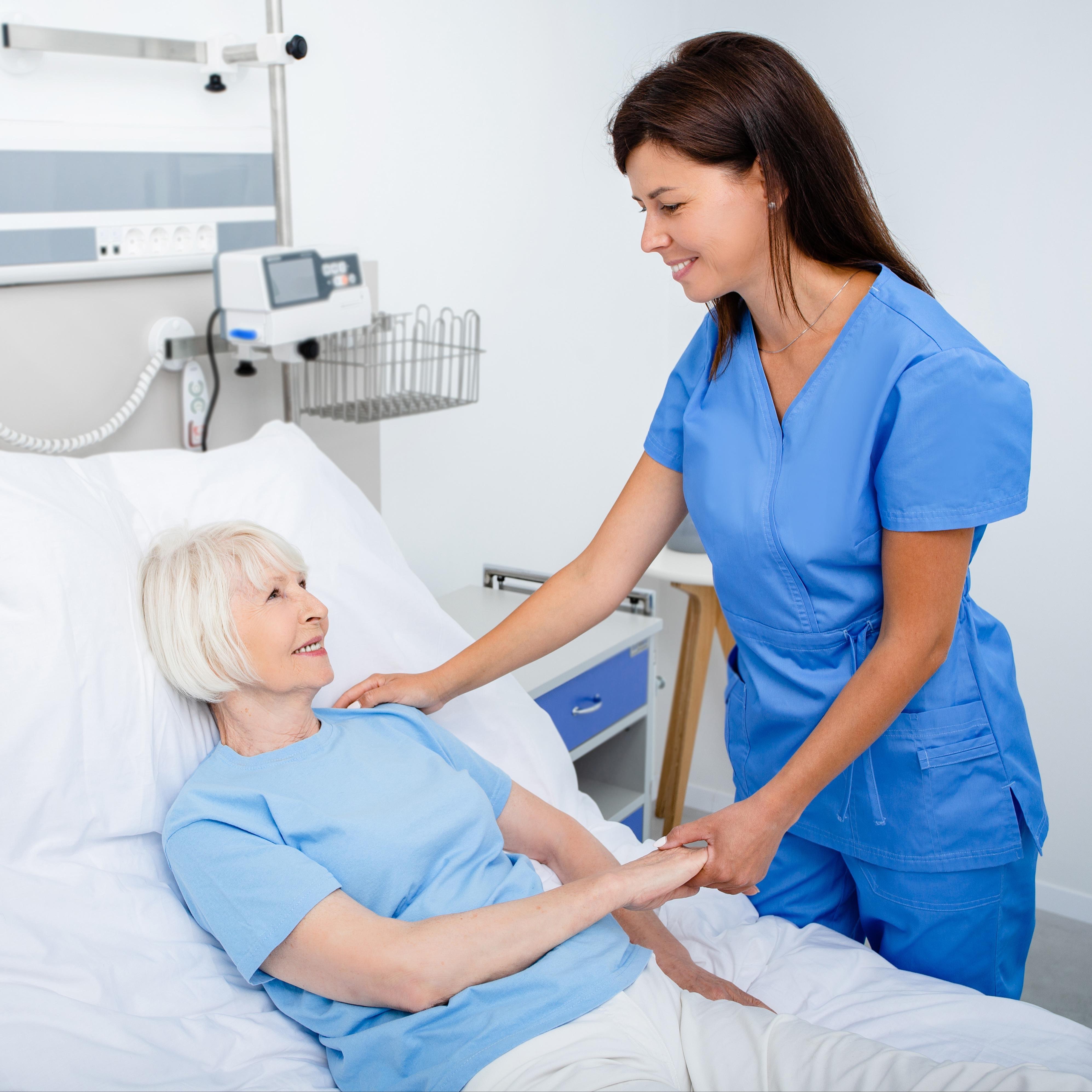
I got my CNA certification my senior year of high school and worked at UNC REX as a night-shift nursing assistant to gain clinical hours. I found it extremely difficult to find shadowing opportunities and other classic "pre-med" experiences, and as a result I didn't amass many hours in that specific category — the CNA role is what actually got me in the door.
Getting certified takes anywhere from 3 to 6 months depending on where you go. I did mine through Wake Tech Community College, and it was a fairly straightforward process: my class ran January through April, meeting Fridays and Saturdays. All-in, between the CPR certification, tuition, and equipment, it cost around $1,000.
Certification gets you into either a hospital or an assisted-living setting — both are valuable, but the hospital setting is slightly more applicable to medical school since you're observing a full medical team at work. Day to day, a CNA assists with ambulation, feeding, aseptic wound care, monitoring vitals, helping nurses with bedside care, and cleaning/comfort procedures for patients.
I won't sugarcoat it — this job is not glamorous. But the experience you gain is unmatched, and you will be a better doctor for having done it.
EMT, medical assistant, medical scribe, and phlebotomy all expose you to the clinical side of medicine in different ways. EMT and MA require a more rigorous certification (6 months to 2 years), but each teaches a distinct skill set worth thinking about.
Direct bedside patient care — vitals, hygiene, mobility, comfort. The most accessible entry point into a hospital setting.
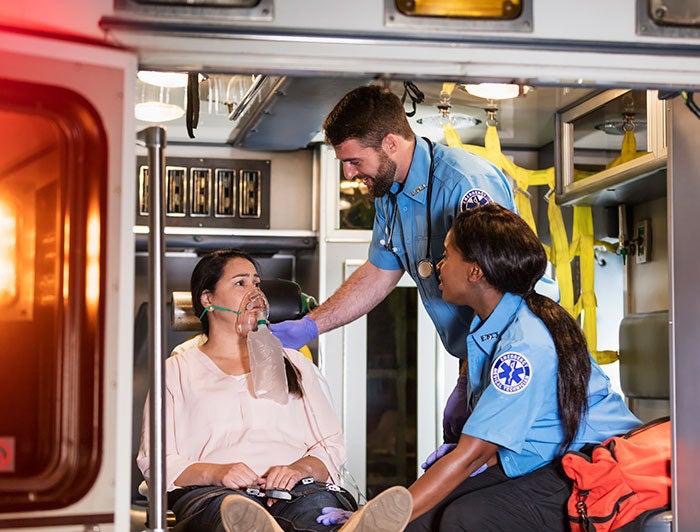
Wake Tech CNA →The street side of medicine. You learn to move quickly, adapt care to unpredictable situations, and act as the first line of care.
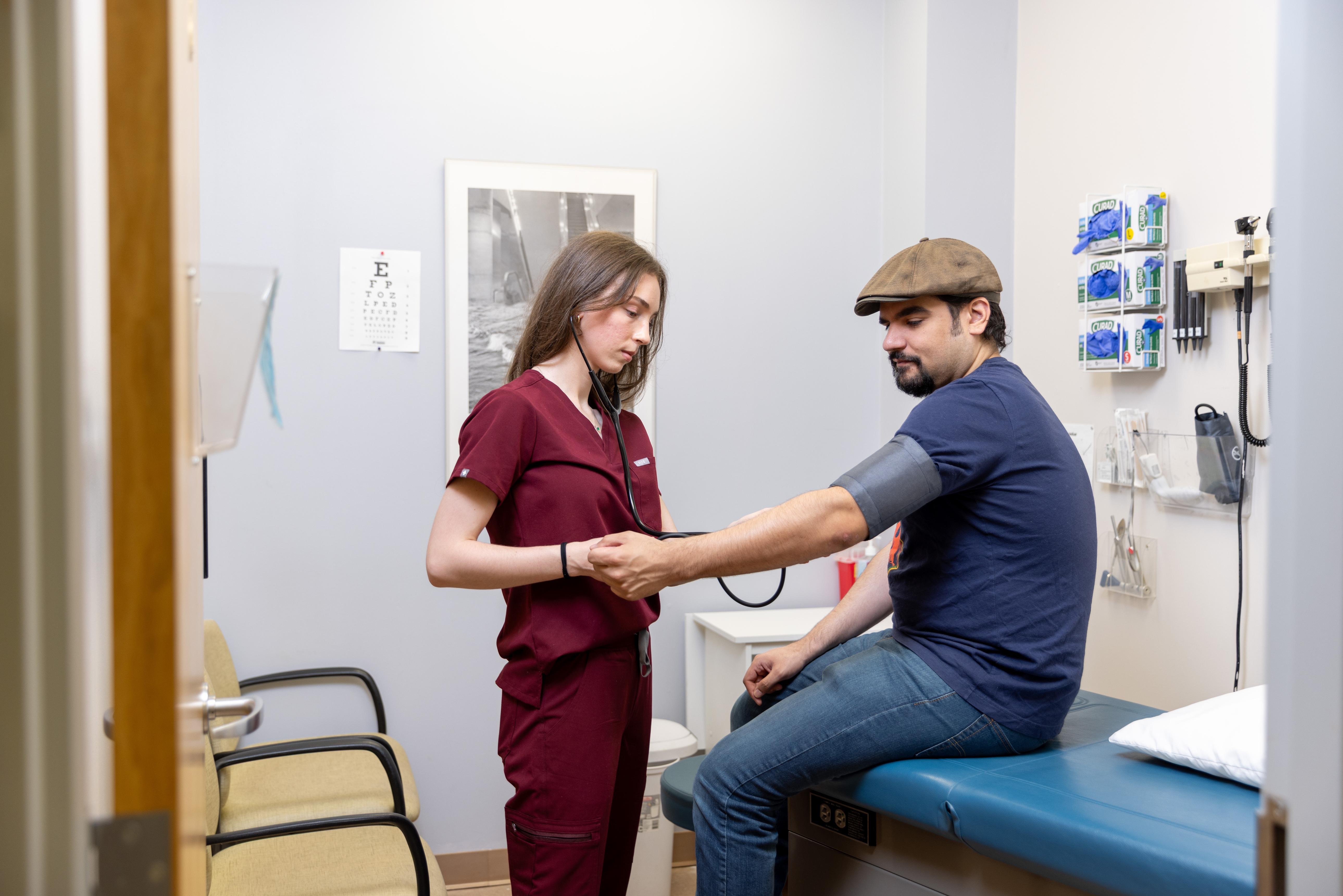
Wake Tech EMT →Outpatient clinic work: triaging patients, scribing for providers, assisting with minor procedures, and handling insurance/referrals.
Wake Tech MA →Similar exposure to MA work, but with less hands-on patient contact — mostly documentation alongside a provider.
Wake Tech Medical Scribe →A fast way to get comfortable with blood and needles while still logging direct patient-care hours.
Wake Tech Phlebotomy →